Who controls the technology will be key
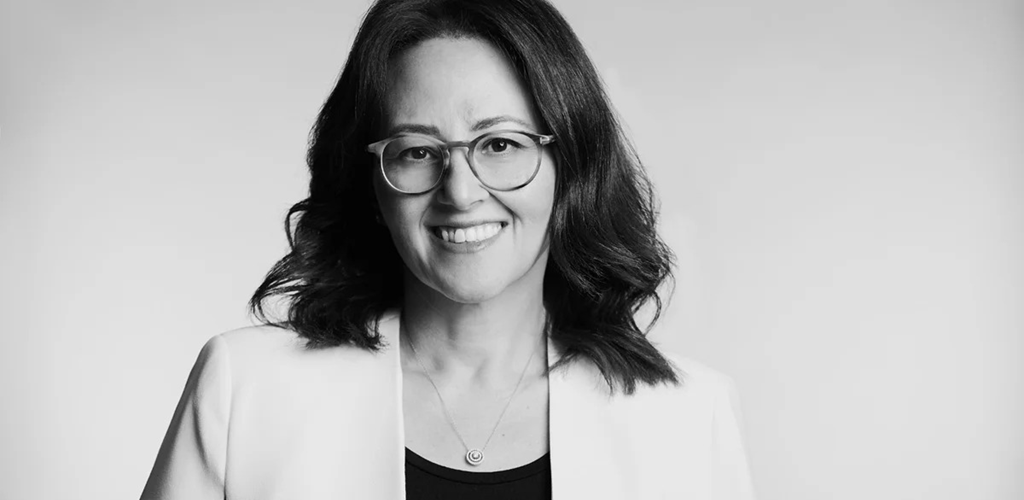
By Rania Tadros, WISTA UAE President, Partner at Stephenson Harwood LLP
The maritime industry has always been a cornerstone of global trade, yet it remains one of the most gender-imbalanced sectors of the global economy. Despite years of advocacy, mentorship programs and policy initiatives, women continue to face structural barriers to entry and progression, from limited access to operational roles and leadership pipelines, to outdated perceptions of what maritime careers look like.
Women entering the maritime sector often face a combination of challenges. These include a lack of visible female role models, informal recruitment networks dominated by men, limited access to sea-going experience and workplace cultures that can be slow to accommodate flexible or inclusive working practices. Even in shore-based roles, women are underrepresented in senior commercial, technical and executive positions, particularly within shipping, ports and logistics.
The rapid integration of artificial intelligence into maritime operations has the potential to be a powerful equalizer, but only if implemented thoughtfully. The shifts that will have to come as we embrace AI could open doors for women by expanding access. AI-driven recruitment tools, if properly designed, could also help reduce unconscious bias and focus hiring decisions on skills and performance
However, AI also introduces new challenges that risk reinforcing existing inequalities. Women remain underrepresented in STEM education and advanced digital training — the very skills most in demand as maritime digitalizes. Without deliberate investment in upskilling and reskilling women, AI could unintentionally widen the gender gap by concentrating opportunity in a narrow, male-dominated talent pool. There is also growing evidence that poorly designed AI systems can replicate historical bias, particularly in recruitment, promotion and performance assessment tools trained on legacy data.
For women seeking to enter and progress in the maritime industry, the AI transition raises a critical question: Who controls the technology, and who benefits from it? The answer will depend on leadership choices made today. Industry stakeholders must ensure women are not only users of AI systems, but active contributors to their design, governance and strategic deployment. Women need to take a seat at the table where these systems are being developed and play an integral role to ensure that the industry adapts in a truly inclusive and equitable way
At WISTA UAE, we believe that AI can be a catalyst for inclusion rather than a new glass ceiling, but only through intentional action. This means investing in digital education, involving women in all decisions, supporting female talent pipelines, promoting diverse leadership, and holding organizations accountable.

.png?width=200&height=102)
Join the Women in Breakbulk Middle East network!
_2.jpg?ext=.jpg)



.png?ext=.png)
.png?ext=.png)






.png?ext=.png)

-(1).jpg?ext=.jpg)


.png?ext=.png)
_4.png?ext=.png)
_1.jpg?ext=.jpg)